Location: Cypress, Texas Completion Date: Spring 2019
Earthscape Describes the project as : The master-planned community of Bridgeland on the north-west side of Houston is peacefully situated among lakes, rivers and trails. That natural beauty informed the creation the wetland-themed play space of Dragonfly Park at the development’s amenities center, designed collaboratively by Clark Condon and Earthscape.
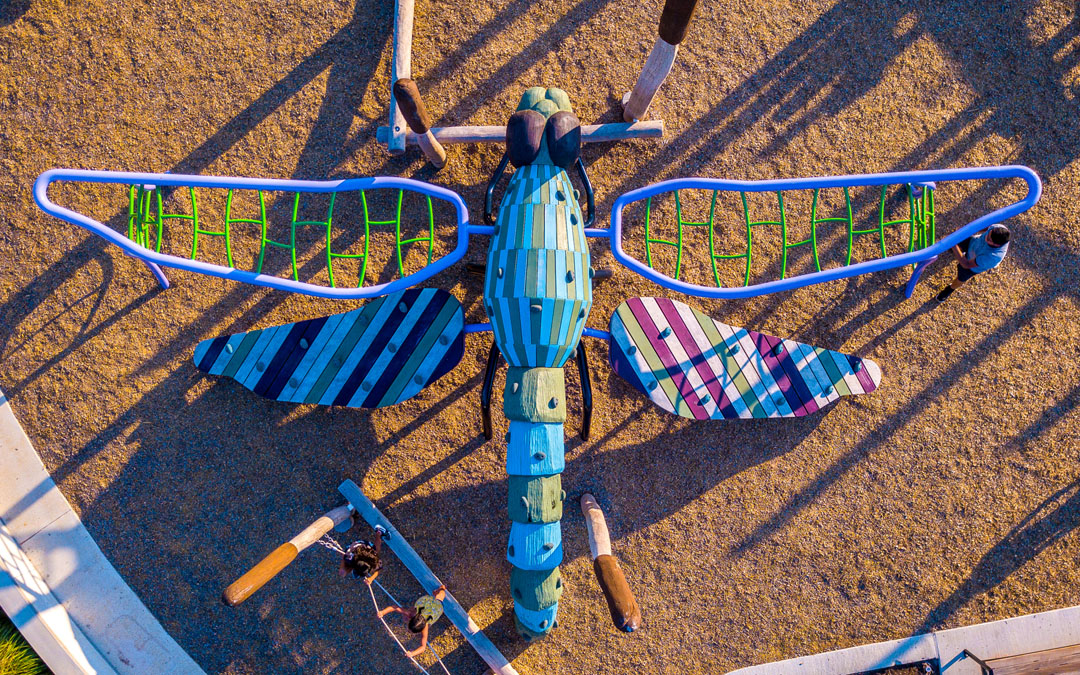
The completely custom and unique central feature of the playground is an enormous dragonfly sculpture that stretches 10.5 metres (34 feet) across its wing span. The dragonfly’s body is a combination of chainsaw carved oak and sculptural form and cladding. The four wings each offer different play and climbing opportunities. The dragonfly sits among additional playable elements that reflect the ecosystem of a dragonfly, including tall grasses and plants.
Social Media Posts
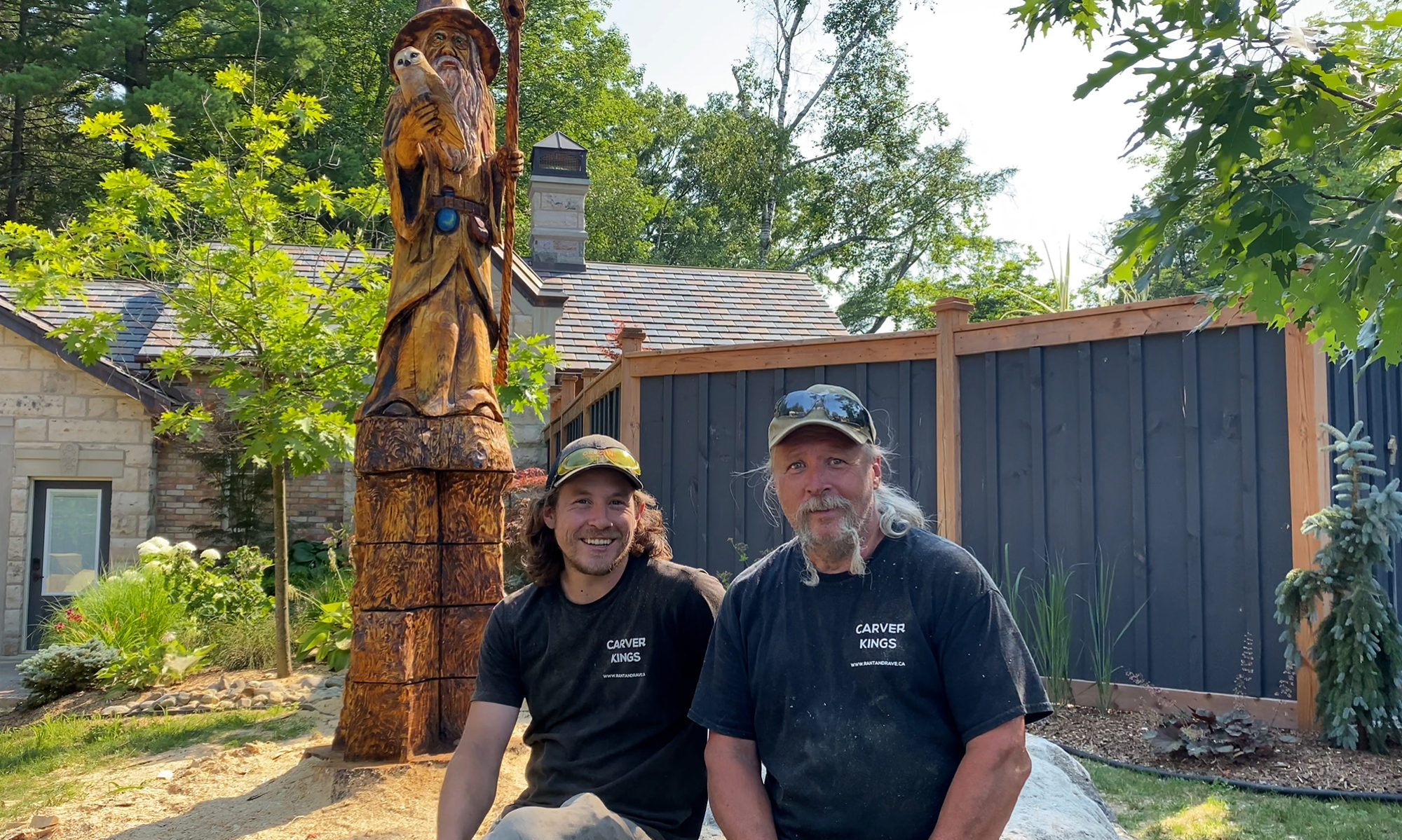
Together Jacob and Paul Frenette father son team used their chainsaw skills to bring the dragonfly to life out of the old oak. below we have a collection of our live video and posts we published on our social media during the making of the project.
What Making the Project was Like
This project was rather complicated given we had to make the dragon fly tail over a curved surface and as you know logs dont generally grow that big in that way. So we had to shape each log to match the curve. We used cutting techniques to get the right angles matching across the rising concave curve then slotted each piece to hide the joinery and add to the scale effect of the tail. Overall it was a very fun project that tested certain skills like proportion, joinery, angled precision cuts, texture etc and artistic flow needed to have the head of the dragon fly look good, be fun to play on and not be too scary for the kids.
Location: Bozeman, Montana Completion Date: Spring 2019
Located in the heart of Bozeman, Montana, the Story Mill Community Park agrarian themed playground has been designed to reflect the unique flavour and culture of Bozeman. Earthscape working with The Trust for Public Land and Design Workshop, the design process focused on story telling by infusing local context into the structures. The resulting design is a journey through the landscapes of Montana, from farms and agriculture to rocky terrain and forested wilderness.
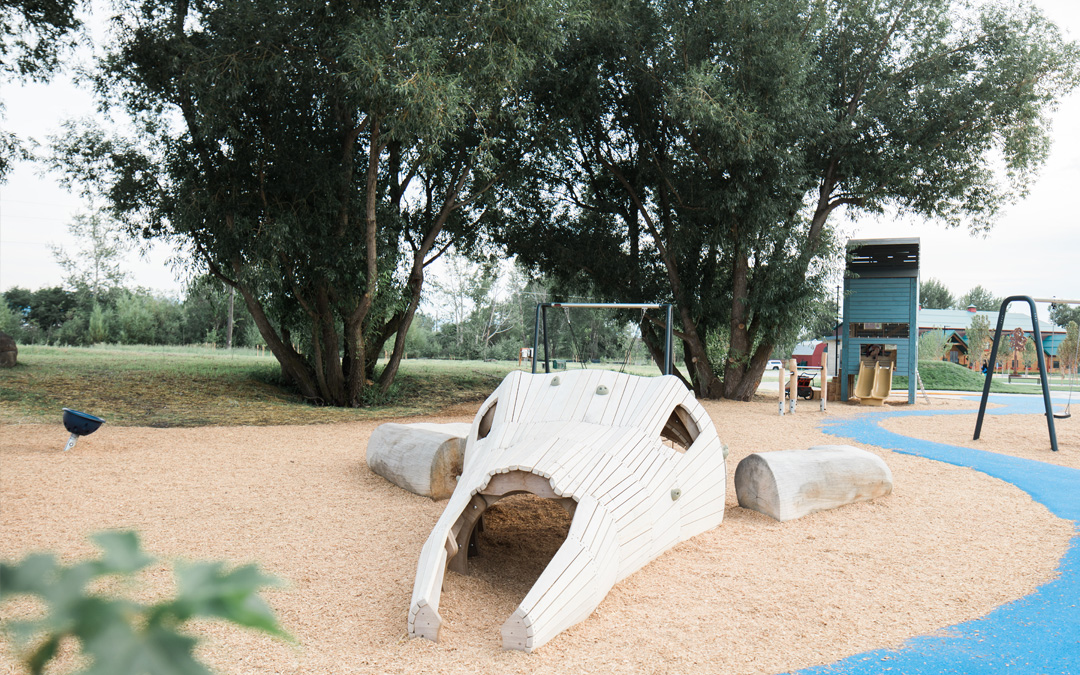
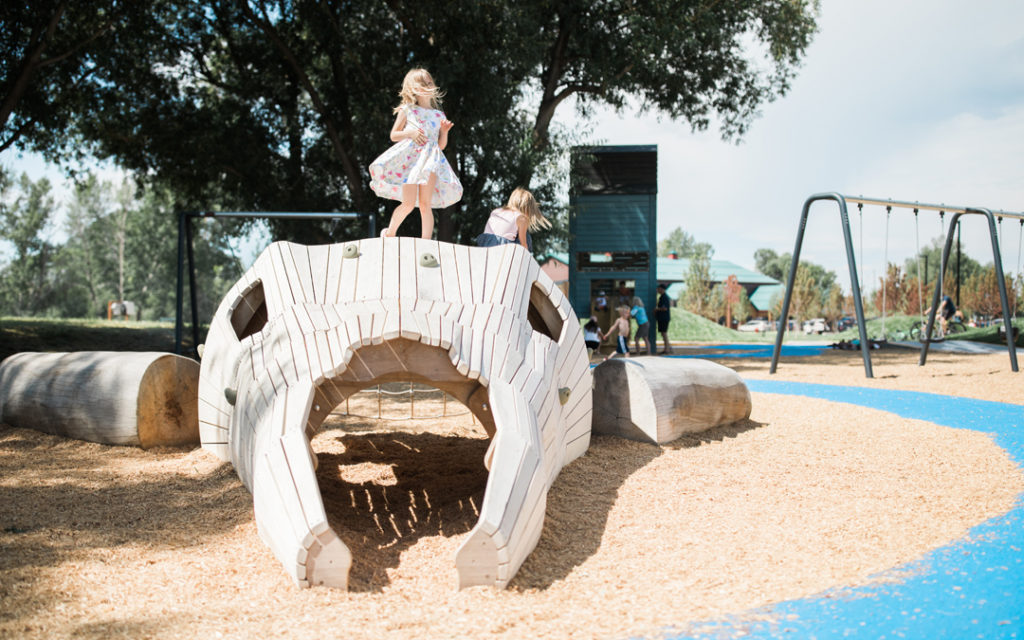
For younger children, the junior grain elevator tower is an iconic structure with historic relevance to Bozeman; there are several old grain elevators adjacent to the park. This feature represents the town and valley’s agrarian industry and culture. A bison skull and osprey sculptures both represent native species and their inclusion in the playground creates a connection to the more remote and wild spaces in Montana. The fire tower in the senior play area is a two-level structure that looks like it belongs in the mountains. An accessible bridge connects the first level to the adjacent bank.
The playground is nestled along a bank of existing willow trees that overhang the playground; the 2nd level of the fire tower brings kids up to this canopy and gives them a bird’s eye view of the park. The site has been arranged so the structures get progressively more challenging. At the same time, there is a thematic parallel that plays on the idea of moving from the agrarian valley (the junior play area) into the foothills and up toward the surrounding mountainous wilderness (the senior play area).
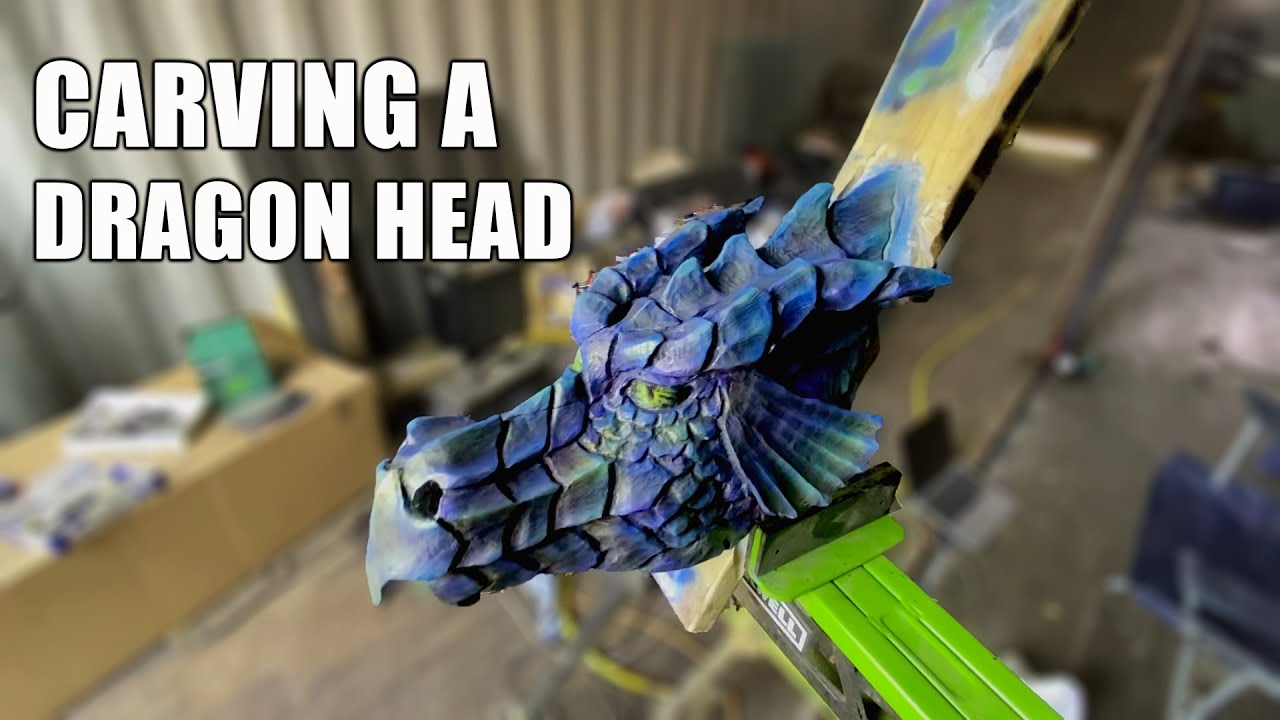
We follow up the how to carve a dragon video with a detailed video about how you carve the head of a dragon. We give some great advice on airbrushing and you get to see lots of the saw work. If you are looking for a specific part of the video or want to skip ahead check the time stamps on the video description and be sure to give it a like and a share!
If you enjoy our content and want to help support us, get our name out there and love us, head on over to our swag store we have setup for exclusive Carver Kings apparel.
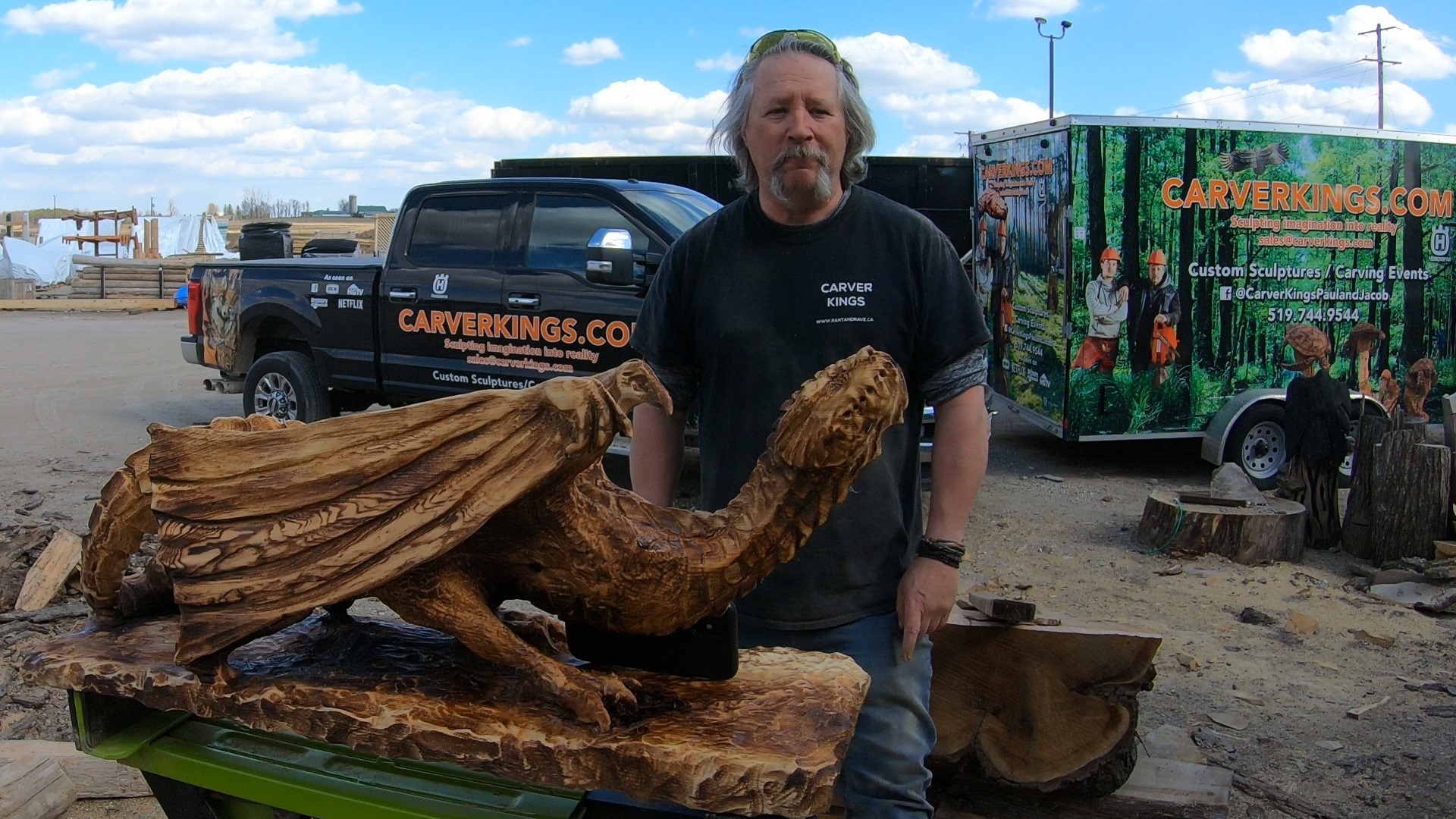
Are you interested in learning how to carve a dragon from wood? In this comprehensive 4-part tutorial series, master chainsaw carver Paul Frenette walks you through the complete process of creating a stunning wyvern dragon sculpture from start to finish. Whether you’re a beginner looking to learn chainsaw carving techniques or an experienced woodworker wanting to tackle a complex project, this step-by-step guide covers everything from initial blocking out to the final finishing touches. Watch as a piece of white cedar transforms into an intricate 3-foot dragon with detailed scales, horns, wings, and claws.
What is a Wyvern?
Wyvern (pronounced “WY-vern”) is a winged two-legged dragon with a barbed tail. This mythical creature is a popular choice for chainsaw carving because its unique anatomy creates an impressive visual impact while remaining achievable for skilled carvers.
Tools & Materials You’ll Need
To carve a wyvern dragon like Paul does in this series, you’ll need: – Quality chainsaws (multiple sizes for detail work) – Die grinders and angle grinders for fine detailing – Hand carving tools and chisels – White cedar wood (or similar carving wood) – Protective gear (safety glasses, gloves, hearing protection) – Clear wood sealant or polyurethane for finishing
## Part 1: Initial Blocking & Shape Development
Part 1 of this dragon carving series shows the crucial first step where Paul blocks out the basic wyvern shape from the white cedar log. The wyvern wood carving is approximately 3 feet long and will be carved entirely with chainsaws. This initial phase is where you establish the overall proportions and main body shapes—the foundation for everything that follows. You’ll see how the experienced carver visualizes the final dragon within the raw wood and begins rough-cutting the basic form. The blocking stage requires patience and precision, as mistakes here become much harder to correct later. Watch Paul demonstrate proper chainsaw technique and how to safely remove large sections of wood while maintaining control.
## Part 2: Adding Detail & Refining the Form
Part 2 shows the dragon coming to life as Paul carves out more of the detailed shapes and proportions. Using power tools like die grinders and angle grinders combined with hand tools, he begins revealing the wyvern’s true character. This phase involves careful detail work on the dragon’s wings, legs, head, and body contours. You’ll witness how the combination of power tools and artistic skill creates smooth transitions and realistic proportions. This is where the sculpture transforms from a rough block into something recognizable as a dragon. Paul demonstrates the importance of step-by-step refinement and how working in stages prevents irreversible mistakes. The techniques shown here are essential for any chainsaw carving project.
## Part 3: Fine Detail Carving – Scales, Horns & Features
Part 3 is where everything comes together through fine detail work. This is the most time-intensive phase where Paul carefully carves the dragon’s scales, horns, claws, wings, and facial features. Each detail requires precision and artistic vision to bring the wyvern to life. You’ll see how professional carvers handle small details without damaging surrounding elements. The fine detailing process shows patience and technique—this is where the wyvern truly transforms from a sculpture into a lifelike dragon. Watch as Paul demonstrates how to create realistic scale patterns, sharp claws, and expressive facial features that give the dragon personality. This phase demonstrates why chainsaw carving requires both technical skill and artistic ability.
## Part 4: Finishing & Clear Coat Application
The final part of this wyvern carving tutorial shows the finishing details on the dragon’s legs, chest, and spine. Paul completes the fine details and then applies a professional clear coat finish that brings out all the carved details and wood grain. The clear coat is essential not only for aesthetics but also for protecting and preserving the wood from weathering and UV damage. You’ll see the complete finished dragon for the first time, revealing all the intricate work that went into the sculpture. The finishing process is crucial to the overall appearance and longevity of your chainsaw carving projects. This final step transforms the raw wood carving into a polished, gallery-quality piece.
Ready to Commission Your Own Dragon Carving?
If this wyvern carving series has inspired you, Carver Kings can create a custom chainsaw carving dragon just for you! Whether you want a 3-foot wyvern like Paul’s version or a different mythical creature, we design and carve custom wood sculptures for homes, gardens, and businesses across Canada.
✓ Chainsaw carving requires careful planning and multiple phases ✓ Start with proper blocking before moving to details ✓ Combine power tools with hand tools for best results ✓ Fine detailing is where the artwork truly comes alive ✓ Professional finishing is essential for preservation and beauty
If you enjoyed this series or learned from it, please share this video on your social media and subscribe to our YouTube channel. Your support helps us create more detailed tutorials and showcases the art of professional chainsaw carving!
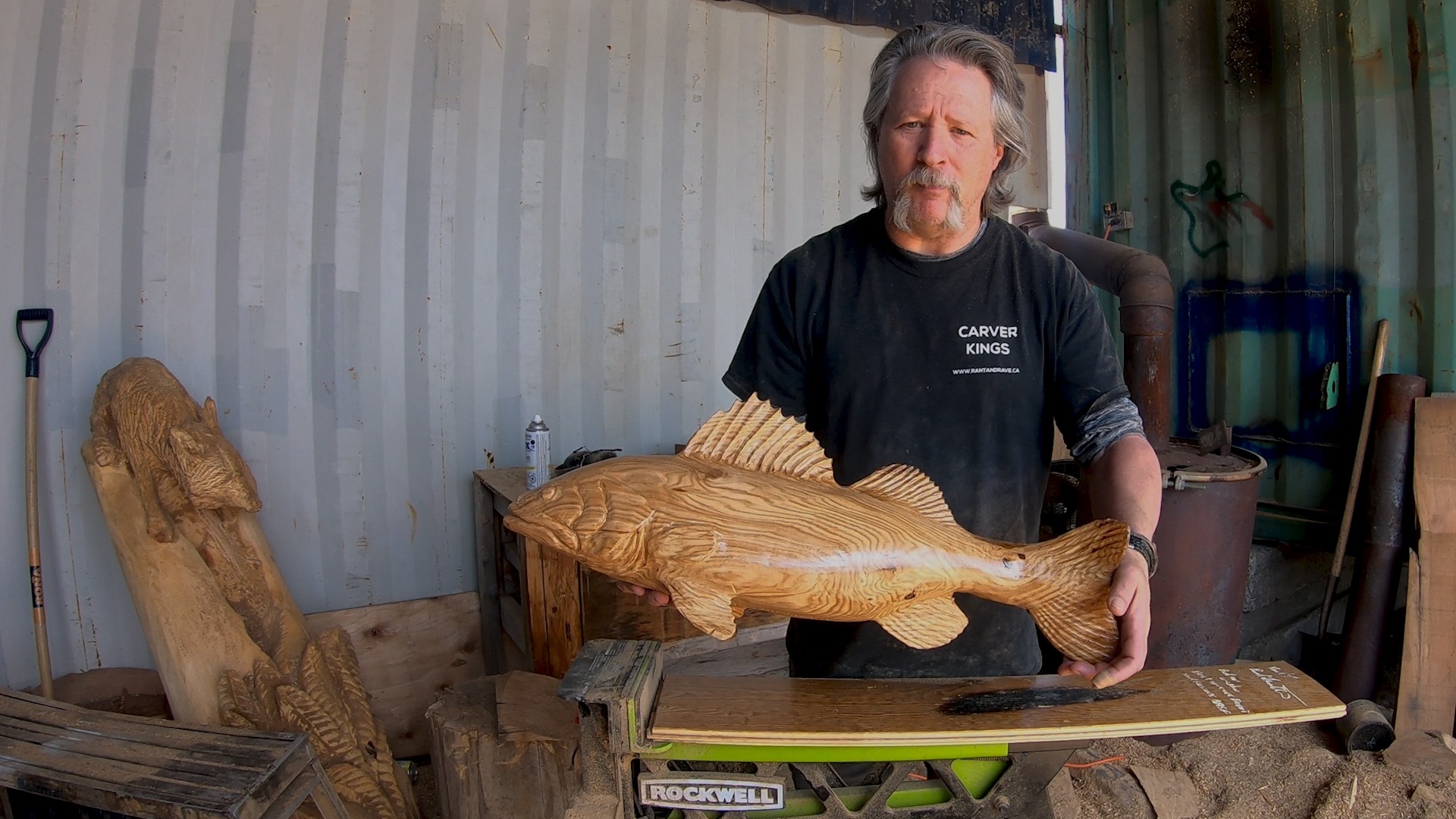
This project was a commissioned retirement gift, dad chose an awesome piece of white oak for this project, the grain will suit the walleye well. The walleye wood carving is about 2 feet long with some subtle but realistic movement. Keep the monster fish out in the water and instead get a nice wood mount, we have done large scenes with carved fish and coral for both fresh water and salt water scenes.
Come watch the work that goes into making these wonderful sculptures and be sure to leave a comment so we know what you thought. To get our newest videos right away subscribe via the button below and hit the bell on anyone of our videos.
Our next online project we are sharing with you will be our Dragon carving video, Part 1-3 are out on our channel now but well be sending you part 1-4 later this week. Signup to get our videos emailed to you along with our giveaways and event listings.